In brief
- MDT-BRIDGE gave neoadjuvant durvalumab plus chemotherapy (the AEGEAN regimen) to 142 patients with resectable or borderline resectable NSCLC, with multidisciplinary team reassessment during the neoadjuvant period.
- The overall resection rate, the primary endpoint, was 74.6%, in a population in which 35.2% had borderline resectable disease at baseline.
- Among patients who had surgery, 96.2% had an R0 resection.
- In all, 131 patients (92.3%) went on to surgery (n=106) or chemoradiotherapy (n=25), and 117 (82.4%) received adjuvant or consolidation durvalumab.
- During adjuvant or consolidation durvalumab, grade 3 or 4 adverse events occurred in 7.4% of resected patients and 17.4% of those treated with chemoradiotherapy.
Study at a glance
- Trial: MDT-BRIDGE, global phase 2
- Population: 142 patients; 64.8% resectable and 35.2% borderline resectable at baseline
- Treatment: neoadjuvant durvalumab plus chemotherapy, then surgery and adjuvant durvalumab, or chemoradiotherapy and consolidation durvalumab for patients who became unresectable
- Primary endpoint: overall resection rate, descriptive, no formal hypothesis testing
- Resection rate: 74.6%
- R0 resection: 96.2% of resected patients
- Grade 3/4 adverse events (adjuvant or consolidation phase): 7.4% after surgery, 17.4% after chemoradiotherapy
- Not reported: event-free survival, progression-free survival and pCR figures, ctDNA results
Multidisciplinary reassessment decided between surgery and chemoradiotherapy
MDT-BRIDGE combined two established durvalumab regimens in one pathway. The 142 patients received neoadjuvant durvalumab plus chemotherapy, the AEGEAN regimen. Those whom the multidisciplinary team judged unresectable after neoadjuvant chemoimmunotherapy moved to chemoradiotherapy followed by consolidation durvalumab, the PACIFIC regimen.
More than a third of the 142 patients entered the trial with borderline resectable disease, and the resection rate was measured across the whole population, borderline cases included.
A resection rate of 74.6% with R0 margins in 96.2%
The overall resection rate was 74.6% (95% CI 66.7 to 81.6), and 96.2% of the patients who had surgery achieved an R0 resection. The primary endpoint was descriptive, with no formal hypothesis testing.
Of the 142 patients, 106 had surgery and 25 had chemoradiotherapy after neoadjuvant treatment, so 131 (92.3%) received a curative-intent local treatment. Adjuvant durvalumab followed in 94 patients and consolidation durvalumab in 23.
“This multidisciplinary team-guided approach was feasible and enabled delivery of curative-intent treatment (surgery or CRT), followed by durvalumab in most patients, and demonstrated encouraging preliminary efficacy with a manageable adjuvant or consolidation safety profile that was consistent with prior studies.”Reck et al., Nature Medicine (2026)
More grade 3 or 4 events after chemoradiotherapy than after surgery
The safety figures in the abstract cover the adjuvant or consolidation phase. Maximum grade 3 or 4 adverse events occurred in 7.4% of resected patients receiving durvalumab and 17.4% of patients receiving consolidation durvalumab after chemoradiotherapy. Discontinuation because of adverse events occurred in 8.5% and 13.0%, respectively.
Only 23 patients received consolidation durvalumab after chemoradiotherapy, against 94 who received adjuvant durvalumab after surgery. The abstract gives no safety figures for the neoadjuvant phase.
Sources
- Nature Medicine. Neoadjuvant durvalumab plus chemotherapy in resectable or borderline resectable non-small-cell lung cancer: the phase 2 MDT-BRIDGE trial (2026-10-26). doi.org
Featuring Lung Summit faculty
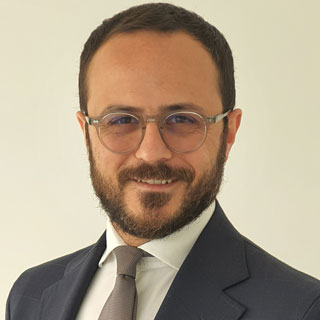
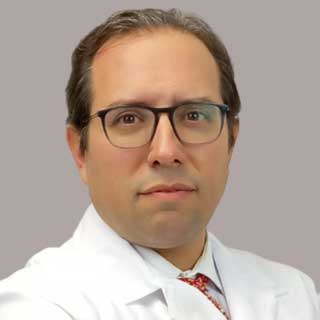
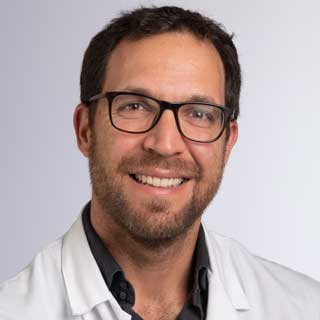
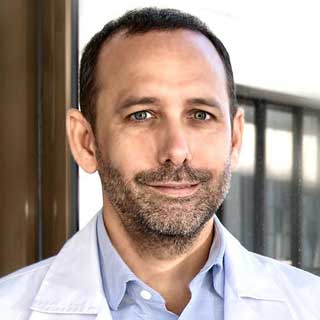
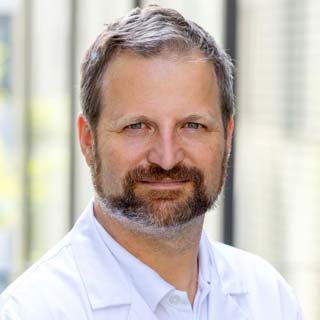
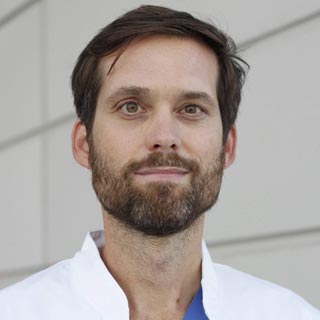
This study was co-authored by Lung Summit faculty Martin Reck, Nicolas Girard and Andrea Filippi.
This article was produced independently by the Lung Summit editorial team, without industry funding or input.